

About Barcode
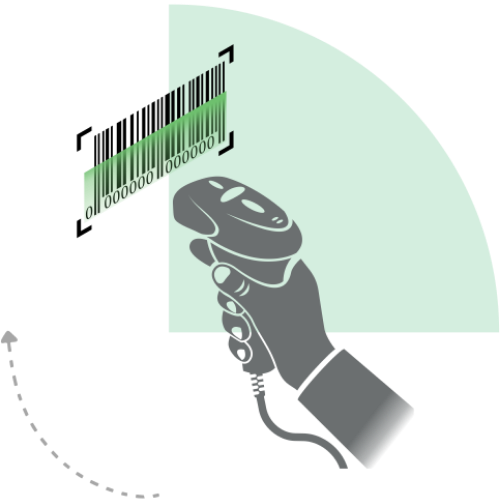
Barcode technology, a form of machine-readable optical labeling, has transformed numerous industries by streamlining inventory management, enhancing supply chain efficiency, and reducing human errors. The technology involves encoding information in a visual pattern—comprising bars and spaces—that can be scanned by an optical scanner or image scanner. This scanning process converts the visual information into digital data, which can then be processed by computers.
Key Features of Barcode Technology

1. Versatility:
- Barcode technology can encode a variety of data types, from simple product identifiers to detailed product information.
2. Efficiency
- It significantly speeds up data entry and retrieval, making it ideal for inventory management and tracking.


3. Cost-Effectiveness
- Barcode systems are relatively low-cost compared to more advanced technologies like RFID and can be implemented in a wide array of environments.
4. Reliability
- Barcodes are highly reliable when used correctly and can withstand various environmental conditions.
Use Cases Across Different Verticals
1. Retail
Inventory Management: Barcodes allow for quick and accurate tracking of stock levels, simplifying the restocking process.
Sales Tracking: By scanning barcodes, retailers can monitor sales trends and adjust inventory levels accordingly.
Price Management: Barcodes can store price information, making it easier to change prices and manage promotions.
2. Manufacturing
Component Tracking: Barcodes allow for quick and accurate tracking of stock levels, simplifying the restocking process.
Work-in-Progress Tracking: They help in managing the production workflow by tracking items at different stages of production.
Quality Control: Barcodes facilitate the recording of quality control data, ensuring compliance with standards and regulations.
3. Healthcare
Patient Identification: Barcoded patient wristbands can prevent errors in medication administration and patient care.
Inventory Tracking: Managing medical supplies and equipment inventory with barcodes ensures availability and reduces wastage.
Equipment Tracking: Hospitals can track the location and usage of equipment, reducing loss and improving maintenance scheduling.
4. Logistics and Warehousing
Package Tracking: Barcodes on packages enable real-time tracking, improving delivery times and customer satisfaction.
Inventory Management: They help in the quick and accurate tracking of goods, from receipt to dispatch.
Warehouse Management: Barcode systems streamline processes such as receiving, putaway, picking, and shipping.
5. Education
Library Management: Libraries use barcodes to manage book circulation, tracking loans, and returns.
Asset Tracking: Educational institutions can track the use and location of equipment, reducing theft and damage.
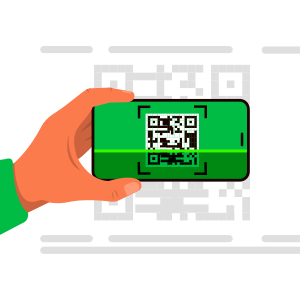
Barcode technology is a foundational element in many industries, providing a simple yet effective solution for data management and process optimization. Its versatility, reliability, and cost-effectiveness make it a preferred choice for businesses aiming to enhance operational efficiency and customer satisfaction. As industries evolve, the functionality of barcodes continues to be expanded through advancements such as 2D barcodes and integration with mobile and IoT technologies.