


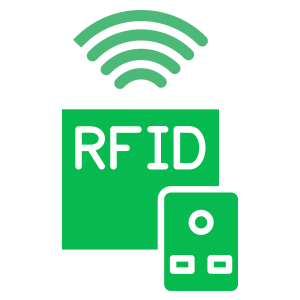
About RFID
RFID (Radio Frequency Identification) technology uses radio waves to track and identify objects. It consists of three main components: RFID tags, RFID readers, and a software system.
1. RFID Tags: These are small electronic devices that contain a microchip and an antenna. Each tag has a unique identification code that can be read by RFID readers. There are two types of RFID tags: active and passive. Active tags have their own power source, while passive tags rely on the energy provided by the RFID reader to transmit their data.
2. RFID Readers: These devices emit radio waves and receive signals from the RFID tags. The reader sends a radio frequency signal, which powers up the passive tag and receives the data encoded in the tag's microchip. The reader then processes the information and sends it to a central system for further analysis.
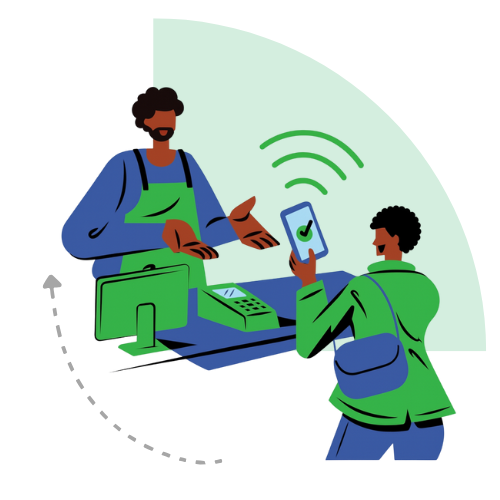
Looking At Having A Software Platform With Digital Id Branding
Tags can be either pre-programmed or reprogrammed for different objects depending on the type of tag. Passive RFID tags are programmed during manufacturing, while active RFID tags have programmable memory that allows them to be reprogrammed.
Passive RFID tags are usually inexpensive and are meant for one-time use, so once they are attached to an object, they cannot be reused or reprogrammed for a different object. They are commonly used for tracking items such as retail products, shipping boxes, and baggage at airports.
Active RFID tags, on the other hand, have their own power source and are designed to be reused and reprogrammed for different objects by changing the programming code. They have a larger memory and can store more data than passive tags. Active RFID tags are used in applications such as asset tracking, vehicle tracking, and personnel tracking.
In both cases, RFID tags can be either permanently associated with an object or temporarily associated with an object. Permanent association means the tag is attached to the object and is expected to stay with the object for its entire lifespan. Temporary association means the tag is attached to the object for a particular purpose or duration, and it can be removed and attached to a different object if needed.
In summary, the ability for RFID tags to be reused or reprogrammed for different objects depends on the type of tag, its memory and programming capabilities, and the associated application or use case.
3. Software System: The data collected by RFID readers is sent to a software system for processing and analysis. This system can be integrated with existing databases and business systems. It provides real-time information about the tracked objects, such as location, movement, and other relevant data.
The process of tracking and identifying objects using RFID technology involves the following steps :
The use of RFID technology offers several benefits, including improved inventory management, enhanced supply chain visibility, increased operational efficiency, and reduced manual labor. It is widely used in industries such as logistics, retail, healthcare, and manufacturing for efficient tracking and identification of objects.
1. Tagging
- RFID tags are attached or embedded in the objects that need to be tracked or identified.
- Each tag is assigned a unique identification code.
2. Scanning
- When an RFID reader comes into range of a tagged object, it emits radio waves that activate the passive tag.
- The tag sends its identification code to the reader.
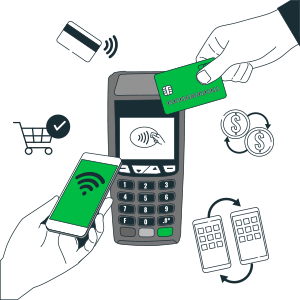
3. Data Transmission
- The RFID reader captures the tag's identification code and transmits it to the software system for processing.
4. Data Analysis
- The software system processes the received data, updates the object's location and status, and provides real-time information for tracking and identification purposes.